Area Protection







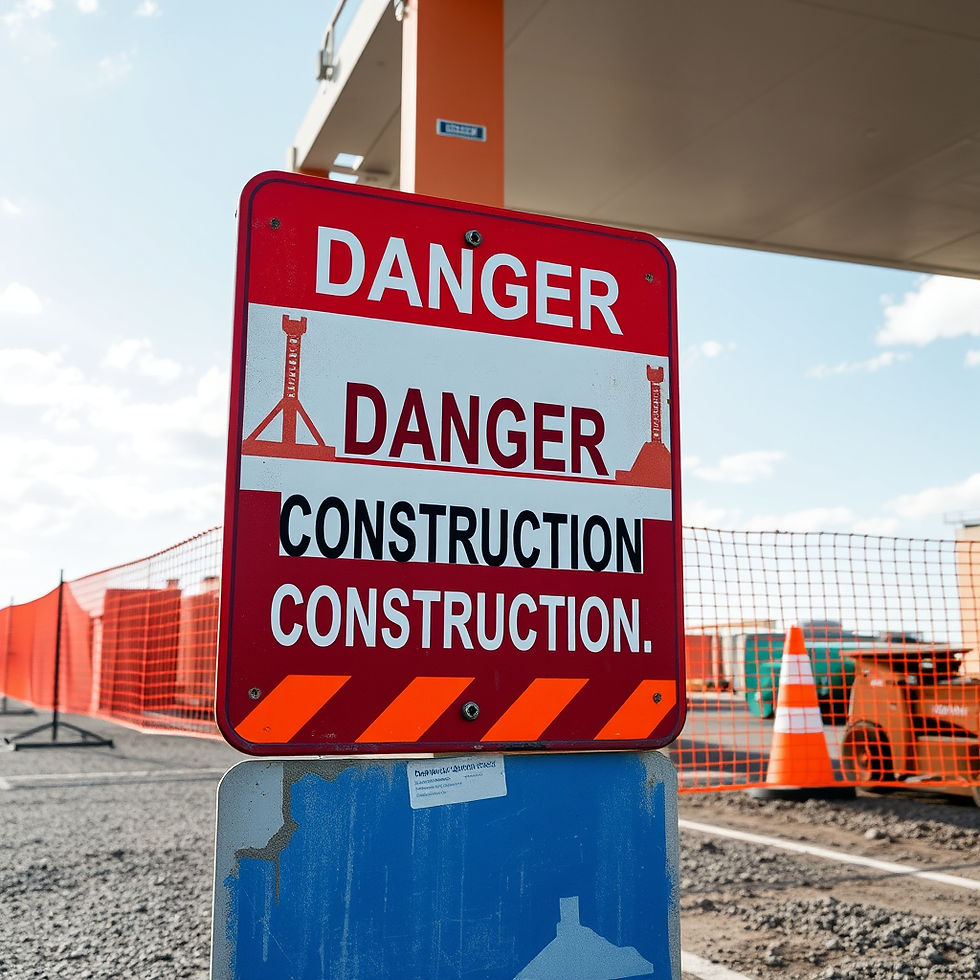
Construction area protection involves a combination of controlled access, traffic management, barriers, and public safety measures to prevent accidents and ensure compliance with safety regulations.
Controlled Access Zones (CAZs)
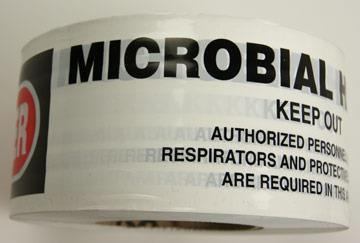
A Controlled Access Zone is a designated area where specific hazards exist, and entry is limited to authorized personnel only. CAZs are particularly important in situations where traditional fall protection is not feasible, such as overhand bricklaying or demolition work. Key requirements include clearly marked boundaries with warning lines or barricades, control lines set 39–45 inches above the working surface, and oversight by a competent person to ensure safety compliance. Only trained workers equipped with proper fall protection gear should enter these zones (OSHA standard 1926.502(g)),.
Traffic Control and Work Zone Safety
Traffic management is critical for construction sites near roadways. Temporary Traffic Control Plans (TTCPs) should be developed to guide vehicles safely around the work zone. Standard devices such as cones, barrels, barricades, and delineator posts help define safe routes. Flaggers and personnel providing traffic control must wear high-visibility clothing and use STOP/SLOW paddles or illuminated signs to alert drivers. Proper lighting, glare control, and advance warning signs are essential to prevent struck-by incidents and ensure visibility for both workers and motorists.
Public Protection
Protecting the public involves hazard assessments and emergency action planning. Measures include restricting public access, securing or removing hazardous materials, and preparing for potential injuries or property damage. Protective strategies vary depending on the surrounding environment, such as busy streets, schools, or industrial areas. Tool tethering, fall protection, and run-over/back-over prevention are emphasized to reduce risks to both workers and the public.
Positive Protection Barriers
Positive Protection barriers physically separate workers from traffic and other hazards. Options include temporary concrete barriers , mobile steel barriers, and moveable barriers. These barriers are designed to withstand vehicle impacts and provide flexible, cost-effective protection for short-term or long-term projects. Modern barriers can include integrated lighting, signage, and work platforms to enhance safety and productivity while maintaining traffic flow.
Summary
Effective construction area protection combines:
Controlled Access Zones for high-risk work areas
Traffic control plans and high-visibility signage
Public safety measures including hazard assessments and emergency planning
Positive Protection barriers to physically separate workers from hazards
Implementing these measures ensures compliance with OSHA and ANSI standards, reduces accidents, and protects both workers and the public around construction sites.