Water Restoration
Water restoration is the professional process of cleaning, drying, and repairing a property after water damage to restore it to a safe, livable condition.Water restoration involves removing water, drying affected areas, cleaning, and repairing damage caused by water intrusion from floods, leaks, burst pipes, storms, or malfunctioning appliances. The goal is to prevent further structural damage, mold growth, and health hazards, while restoring the property to its pre-damage state. It is a systematic process that goes beyond simple cleanup, focusing on safety, sanitation, and property integrity.
Why Water Restoration Is Important
-
Prevents structural damage: Water can weaken walls, ceilings, and floors, potentially leading to costly repairs.
-
Stops mold growth: Mold can develop within 24–48 hours, posing health risks, especially for individuals with respiratory issues.
-
Ensures safety: Water exposure can create electrical hazards and other safety risks.
-
Restores property value: Proper restoration maintains the property’s market value and livability.
The Water Restoration Process
-
Assessment: Professionals inspect the property to determine the extent of water damage and identify the source.
-
Water Removal: Standing water is extracted using pumps, vacuums, and other specialized equipment.
-
Drying and Dehumidification: Industrial fans, dehumidifiers, and moisture meters are used to remove residual moisture from walls, floors, and other surfaces.
-
Cleaning and Sanitization: Contaminants, bacteria, and odors are eliminated using antimicrobial treatments and cleaning agents.
-
Restoration and Repairs: Damaged materials are repaired or replaced, and the property is returned to its pre-loss condition


Causes of At-Home Flooding
Understanding the most common sources of residential water intrusion is the first step in protecting your property and investment.

Burst Pipes
Sudden pressure spikes or freezing temperatures can cause metal and PVC pipes to fail, releasing high volumes of water rapidly.


Appliance Leaks
Aging hoses and failing seals in washing machines, water heaters, and refrigerators often lead to slow, hidden damage.

Roof Leaks
Damaged shingles, clogged gutters, or compromised flashing allow moisture to penetrate attics and structural framing during rain.

Storm Damage
Extreme weather events can overwhelm a home's exterior envelope, leading to significant flash flooding and structural intrusion.

Poor Drainage
Improper landscaping grading or faulty sumps can direct surface water toward the foundation instead of away from the property.

Sewer Backups
A blockage in the main line or municipal system can force wastewater back through drains, causing highly hazardous flooding.
Prevention Tips for External Factors
To mitigate the impact of external factors on your home, regular inspections and maintenance are crucial. Here are some steps you can take:
-
Weatherproof Your Home: Ensure your home is well-sealed and weatherproofed to withstand heavy rainfall and snowstorms. Install storm windows and doors, and use weather stripping to seal gaps.
-
Monitor Nearby Construction: Stay informed about nearby construction projects and take steps to protect your home, such as installing barriers or drainage systems to redirect water away from your property.
-
Maintain Neighboring Properties: Work with your neighbors to ensure their properties are well-maintained, especially if you share walls or foundations.
-
Manage Tree Roots: Regularly inspect your property for tree roots that may be encroaching on your plumbing system. Consider removing or relocating trees that pose a risk.
-
Address High Water Tables: If you live in an area with a high water table, consider installing a sump pump in your basement or crawl space to manage water seepage.
By proactively addressing these external factors, you can protect your home from water damage and avoid costly repairs.
How To Detect Early Signs of Water Damage
Early Signs To Watch For
Early detection of water damage can save you from extensive repairs and costs. Regularly inspecting your home for warning signs can help address issues before they escalate. Here’s a checklist of common early signs of water damage:

-
Damp spots on walls, ceilings, or floors.
-
Discoloration or stains on surfaces, often brown or yellowish.
-
Mold growth, which can appear in damp areas or hidden corners.
-
Musty odors indicating trapped moisture or hidden mold.
-
Unexplained increases in water bills, which may signal hidden leaks.
-
Soft or sagging spots on walls, floors, or ceilings.
-
Water pooling around the base of your water heater, indicating a potential leak.
Monitoring these areas regularly allows you to take action before water damage worsens.
Key Takeaways
Regularly inspect plumbing and appliances to catch early signs of leaks. Ensure proper drainage around your home to prevent foundation damage from water buildup. Install and maintain gutters and downspouts to direct water away from your home. Use water sensors and automatic shutoff valves to mitigate water damage risks. Keep an updated insurance policy to cover potential water damage repairs.
Water Restoration is the process of returning a property to its original condition before water intrusion. The process includes inspection, extraction, dehumidification, sanitation, and reconstruction if necessary. The steps involved in water damage restoration are inspection, assessment, mitigation, structural drying, removal of damaged materials, cleaning, sanitizing, deodorizing, and complete property restoration.
Addressing Water Damage
Steps To Take When You Experience Water Damage
-
Turn Off the Main Water Supply: Immediately shut off the main water supply to prevent further water flow and minimize damage.
-
Contact a Professional: Reach out to a professional water damage restoration service to assess the damage and develop a remediation plan.
-
Remove Standing Water: Use pumps, wet vacuums, or buckets to remove any standing water. Dry the affected area as quickly as possible to prevent mold growth.
-
Check for Structural Damage: Inspect your home for any structural damage, such as weakened walls or floors.
-
Inspect and Clean Systems: Hire a professional to inspect and clean your HVAC units, drain lines, and plumbing system.
-
Prevent Future Water Damage: Take proactive steps to prevent future water damage. Install a water damage prevention system and use a sump pump alarm.
Preventing Future Water Damage
Water damage can be costly and time-consuming to repair, but with prompt action and the right precautions, you can minimize the damage and prevent future occurrences. Regular maintenance, timely repairs, and proactive measures are key to protecting your home from water damage. By staying vigilant and addressing issues as soon as they arise, you can safeguard your home and avoid the stress and expense of extensive water damage repairs.
Does Insurance Cover Water Remediation?
Don’t presume your homeowners insurance will pay to fix your water problems. Insurance typically pays if the problem results from an emergency already covered on your policy, like a burst pipe, but not if water resulted from deferred maintenance, persistent moisture or seepage, or from floodwaters (unless you have flood insurance).
Hire A Professional: Local Water Damage Contractors in Kansas and Missouri (A-Z):
911 KC (913) 227-4578 | Olathe, KS 66061
Freshco Cleaning and Restoration 620 (417)-6521 | Hutchinson, KS 67505
Frontier Restoration (913) 800-4980 | Olathe, KS 66062
First Onsite 800-622-6433 | Independence, MO 64057
Power Dry (913) 347 6146 | Lenexa, KS 66219
SERVPRO (816) 837-0215 | Lee’s Summit, MO 64086

Safety Standards
- PPE usage including chemical-resistant suits, hand protection, eye protection, and N100 or P100 respirators to protect from hazards such as sewage and mold.
- Proactive drying within 24 hours to prevent hazardous mold growth and secondary contamination.
- Monitor the moisture levels
- Removal of debris, flooring and drywall if appropriate
- Ensure electricity is turned off at the mains to avoid electrocution risks
- Proper identification of high-risk scenarios requiring certified restoration professionals- if water damage is more than 10 square feet the EPA recommend hiring a professional. Make sure you hire a professional and check they are licensed and insured

Water Extraction
Submersible pumps, wet/dry vacuums,
and specialized extraction machines in basements or flooded areas.

Moisture Meters & Monitoring
Pin and pinless meters, hygrometers, and data loggers to track moisture levels and document dry‑out progress.
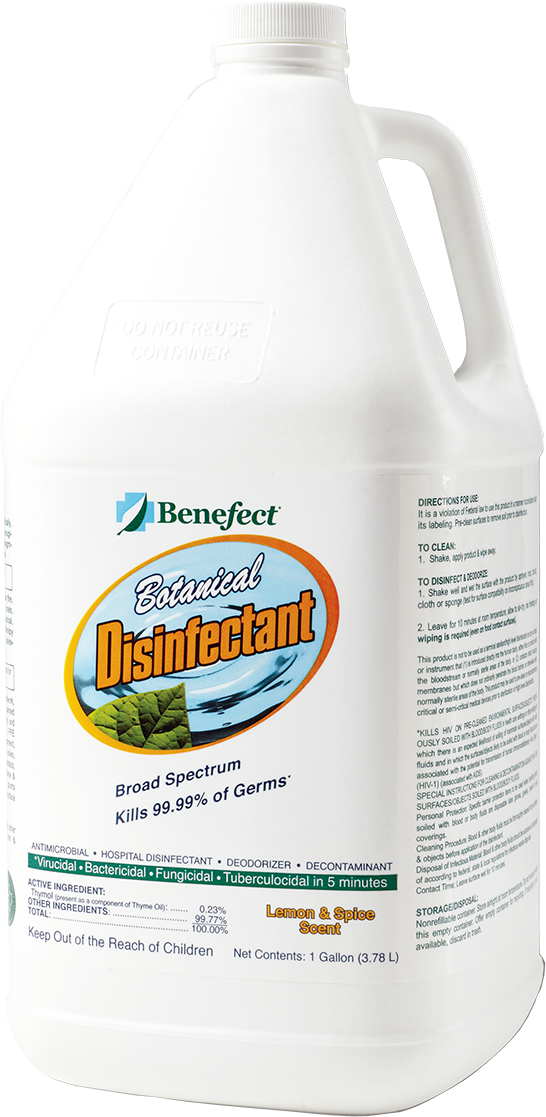
Professional cleaners and disinfectants formulated for post‑flood cleanup and to breakdown sewage
Required Supplies for Safe Water Restoration

Air Movers and heated dryers
High-velocity air movers to speed up drying on floors, walls, and under cabinets after leaks or flooding.


Deodorizors
Neutralize lingering odors after cleaning
EQUIPMENT & MATERIALS

Commercial dehumidifiers that pull moisture from the air to prevent secondary damage and mold growth.


Gloves, boots, respirators, and protective suits to keep crews safe during extraction and cleanup.