
Fall Protection




Measures to Reduce Falls
Employers are required to configure the workplace to prevent falls from overhead platforms, elevated workstations, or into floor and wall openings. According to OSHA, fall protection must be provided at elevations of four feet in general industry workplaces, five feet in shipyards, six feet in the construction industry, and eight feet in longshoring operations. Additionally, OSHA mandates fall protection when working over dangerous equipment and machinery, regardless of the height.
To mitigate the risk of fall-related injuries, employers must:
Guard every floor hole into which a worker might accidentally walk by using a railing and toe-board or a floor hole cover.
Install a guardrail and toe-board around every elevated open-sided platform, floor, or runway.
Provide guardrails and toe-boards to prevent falls and injuries into or onto dangerous machines or equipment, such as vats of acid or conveyor belts, irrespective of height.
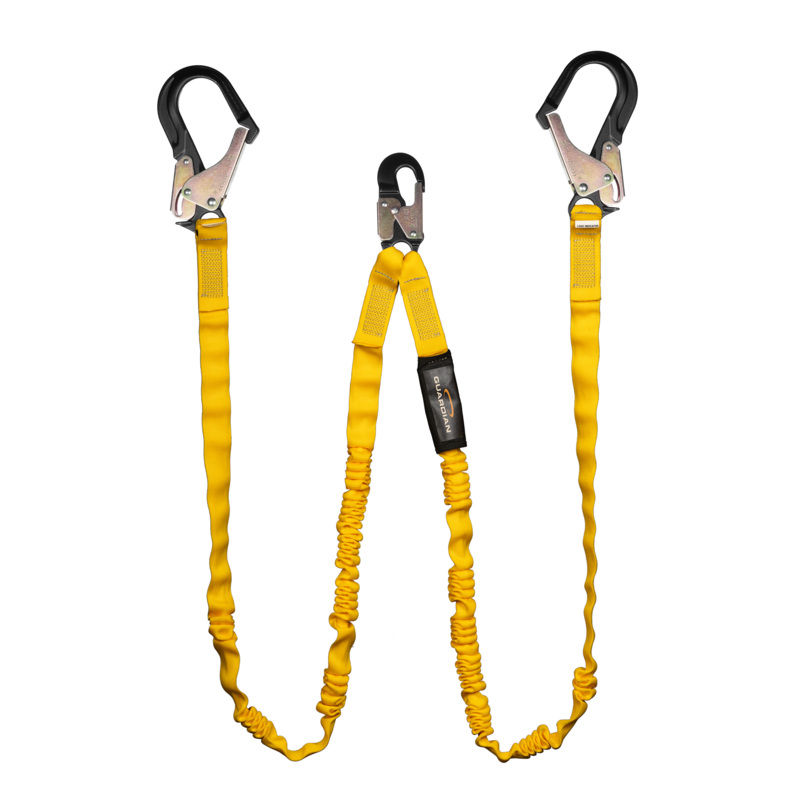
Implement other fall protection methods as necessary for specific jobs, including safety harnesses and lines, safety nets, stair railings, and handrails.
OSHA mandates that employers must:
Ensure working conditions are free from known hazards.
Maintain clean and, as much as possible, dry floors in work areas.
Select and provide necessary personal protective equipment at no cost to employees.
Instruct workers about job hazards in a language they understand.
BULK DISCOUNTS AVAILABLE- ASK FOR PALLET PRICING IF YOU REQUIRE LARGER QUANTITIES THAN WE HAVE PUBLISHED ON OUR WEBSITE!!
Show us a receipt for an item we have in stock from within the last 28 days and we will price match it or if we can’t beat or equal that price we will give you 5% off the remainder of the order !!!! Note if you bought in bulk to get that pricing we will match or beat it for that amount!!!