
Eye Protection






Common Types of Eye Protection
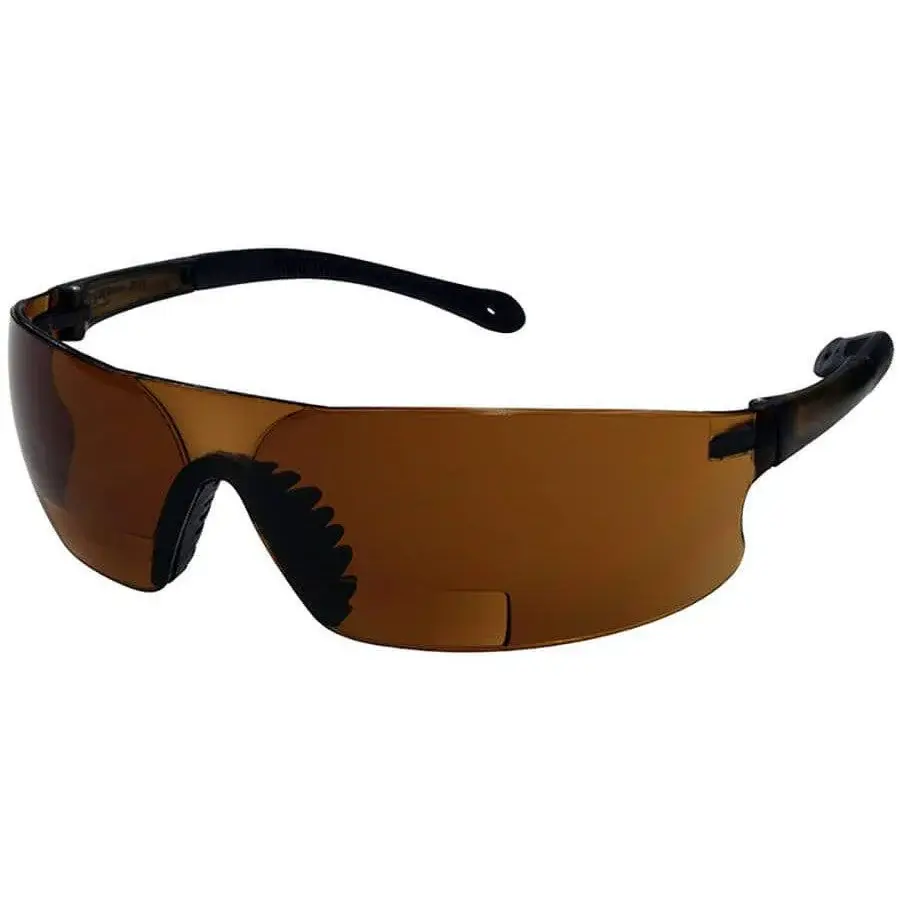
Safety Glasses: Resemble regular glasses but are made from durable materials to withstand impact, weather, and work conditions. They often include side shields and can accommodate prescription lenses.
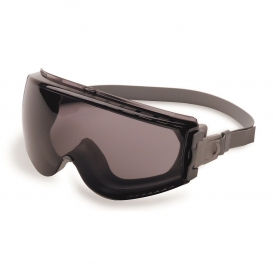
Safety Goggles: Provide a tighter seal around the eyes, protecting against chemical splashes, dust, and harmful vapors. They may feature anti-fog and anti-scratch coatings for better visibility.
Face Shields: Cover the entire face and are used in combination with goggles or glasses for protection against high-risk hazards like welding sparks, chemical splashes, or infectious droplets.
Specialized Helmets and Shields: Includes welding helmets, non-rigid hoods, and respirator facepieces designed for specific industrial or laboratory hazards.
Selection and Fit
Choosing the right eye protection depends on the type of hazard, exposure level, and comfort. Well-fitted eyewear should minimize gaps between the lenses and the face to prevent debris or fluids from entering. Features like lens coatings, color options, and flexible frames enhance both safety and comfort. In healthcare settings, indirectly-vented goggles with anti-fog coatings are recommended to protect against splashes, sprays, and infectious droplets.
Additional Considerations
Eye protection should be worn consistently in hazardous environments.
Regular inspection and maintenance of protective equipment ensure effectiveness.
Employers should provide multiple styles and sizes to accommodate different users and tasks.
Combining eye protection with other PPE, such as gloves, masks, or gowns, enhances overall safety in workplaces and healthcare settings.
By understanding the types, proper fit, and usage of eye protection, individuals can significantly reduce the risk of eye injuries and maintain long-term eye health.
ABCO Supply stocks a wide range of eye protection from brands such as 3M, Pyramex, Honeywell, Portwest, Radnor, MCR Safety, Radians, Gateway, Phillips plus many more.
BULK DISCOUNTS AVAILABLE- ASK FOR PALLET PRICING IF YOU REQUIRE LARGER QUANTITIES THAN WE HAVE PUBLISHED ON OUR WEBSITE!!
Show us a receipt for an item we have in stock from within the last 28 days and we will price match it or if we can’t beat or equal that price we will give you 5% off the remainder of the order !!!! Note if you bought in bulk to get that pricing we will match or beat it for that amount!!!