
Surface Protection


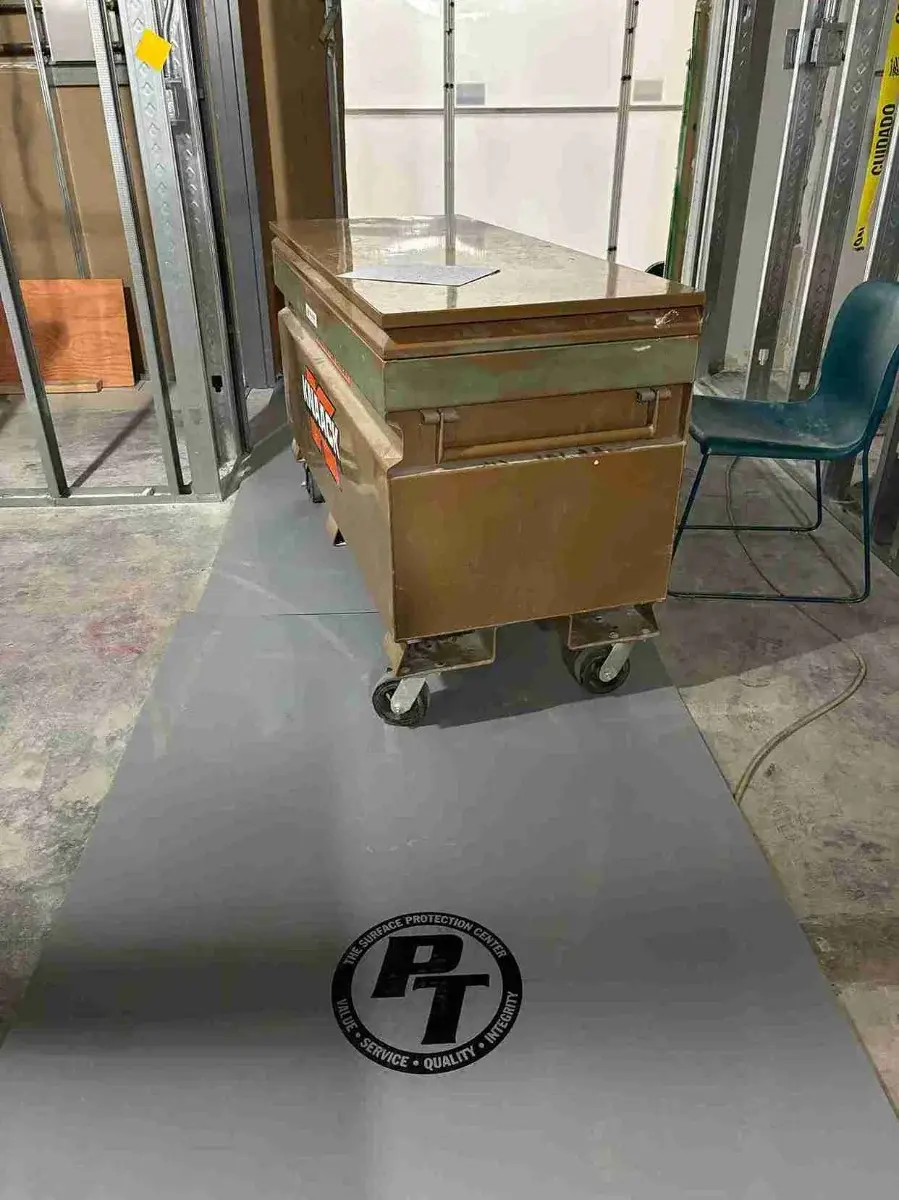


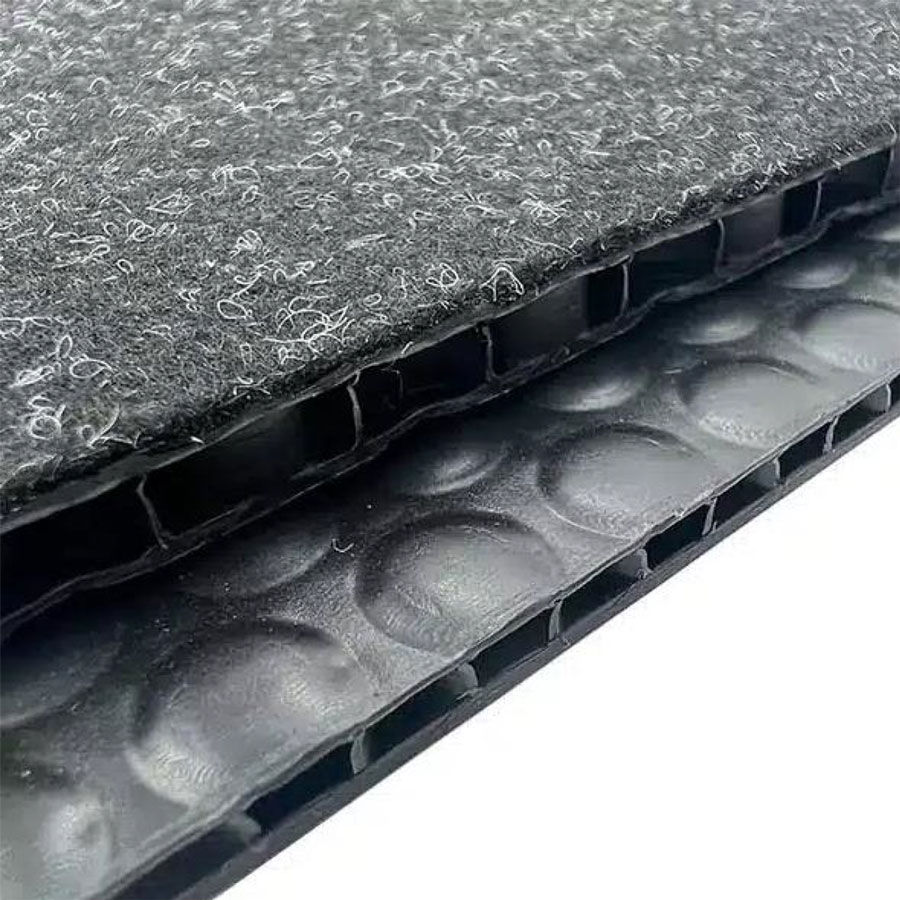


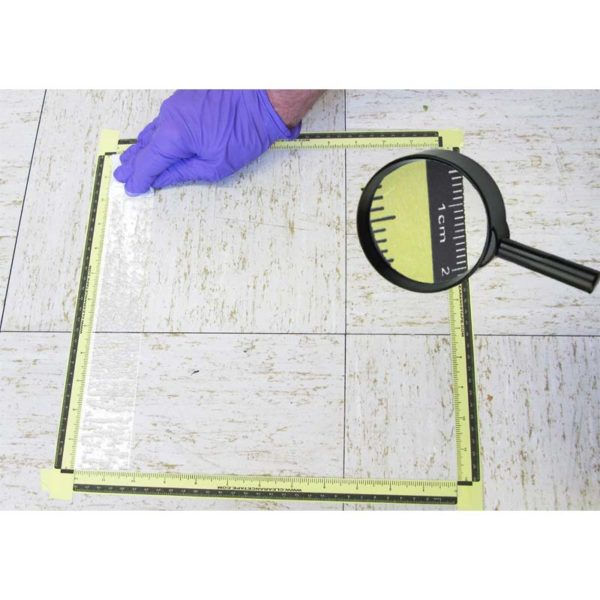


Protecting delicate finishes during construction is a must if you want to save money and avoid expensive repairs. From tile to hardwood, these materials are pricey, and the last thing you need is damage adding to your expenses. Here’s a solid guide to keep those surfaces pristine.
Identifying Delicate Surfaces
First up, let’s talk about the usual suspects that need some extra TLC when it comes to delicate finish protection in construction.
Painted Walls And Surfaces
Painted walls are on almost all job sites, and they need careful handling to avoid scratches, chips, and scuffs. Whether it’s a fresh coat or an existing finish, construction activities can easily mark these surfaces. Effective construction surface protection for painted walls involves using non-abrasive coverings and ensuring that any adhesive used doesn’t peel off the paint when removed.
Ceramic And Porcelain Tiles
Ceramic and porcelain tiles are durable yet delicate. They can crack or chip if something heavy or sharp is dropped on them. Protecting delicate surfaces like tiles is crucial to maintaining their aesthetic appeal and functionality. Use thick, impact-resistant materials to shield tiles from potential damage during construction.
Polished Wooden Floors And Furniture
Polished wooden floors and furniture add a touch of elegance to any space, but they’re prone to scratches, dents, and stains. Protecting delicate surfaces like these requires soft, non-abrasive materials that won’t mark the finish.
Glass And Mirrored Surfaces
Glass and mirrored surfaces are susceptible to scratches, cracks, and shattering. Using appropriate surface protection techniques is essential to prevent damage. It’s important to use robust temporary surface protection to ensure these delicate finishes remain intact throughout the construction process.
Quartz, Marble, And Granite Countertops
Quartz, marble, and granite countertops are luxurious but delicate surfaces that require extra care. They can easily get scratched or stained if not properly protected. By identifying these common delicate surfaces and understanding their specific protection needs, you can effectively plan and implement surface protection techniques to safeguard your construction projects.
Tips For Safeguarding Delicate Surfaces
To safeguard these delicate surfaces, the best practices and techniques to implement include:
Early Planning: From the outset of a project, identify delicate surfaces that will need protection. This proactive approach ensures that protection is in place before any potential damage can occur.
Training: Make sure your team on site knows the importance of protecting delicate surfaces and provide training on how to apply and remove protective materials without causing damage.
Regular Inspections: Regularly inspect protective coverings to ensure they remain in place and provide adequate protection. If damage or wear is noticed, replace the protective materials promptly before they become problems.
Use The Right Materials: Different surfaces need different types of protection. For example, soft, non-abrasive materials should be used on polished wooden floors, while stronger, impact-resistant materials may be needed for glass and tile surfaces.
Proper Application And Removal: Avoid damage by applying and removing protective materials correctly. Use appropriate adhesives that do not leave residue or damage the finish upon removal.
Maintain Protection Throughout The Project: Ensure that protection remains in place throughout the entire construction process. This may involve adjusting or replacing protective coverings as work progresses and different trades move through the area.
Conclusion
Protecting delicate finishes isn’t just about preserving aesthetics; it’s about saving time, money, and effort. From polished wooden floors to intricate glass surfaces, the right surface protection techniques and products can make all the difference. Investing in these construction surface protection solutions ensures your projects remain pristine and cost-effective, safeguarding your reputation for quality and excellence.