What is Smoke and Fire Restoration?
Smoke and fire restoration focuses on mitigating both the immediate and long-term consequences of a fire event. Fires cause structural damage, leave soot or smoke residue, produce odors, and release hazardous chemicals due to thermal reactions—even in areas shielded from direct flames. Restoration goals include removing toxic residues, repairing structures, and returning the property to its pre-loss condition safely and efficiently. We provide commercial-grade cleansers and encapsulants for soot removal and odor control, along with drying equipment, dehumidifiers, HEPA vacuums, and specialized PPE to ensure site safety during every final cleaning phase.


SAFETY FIRST
Health Risks & Safety Protocols
Effective restoration hinges on the mitigation of fine particulate matter and toxic residues to protect personnel. Exposure to soot and hazardous debris necessitates rigorous containment and advanced air filtration protocols. While no single federal law governs all fire restoration, the industry follows national standards, safety regulations, and compliance mandates set by local authorities to ensure safe outcomes.
- • Mandatory NIOSH-rated respiratory protection on all sites: half-face or full-face respirators with P100, P100/OV, or P100/OV/AG cartridges.
• Disposable hooded coveralls and boots to prevent contact with hazardous materials.
• Specialized gloves and eye protection for debris removal and chemical handling.
• HEPA-grade air scrubbers to manage airborne particles and improve circulation.
• Dehumidifiers to remove moisture from firefighting efforts and prevent mold.
• Compliance with OSHA personal protective equipment (PPE) standards.
• Vacuums capable of capturing fine particulate matter.
• Ozone Generators and Thermal Foggers to neutralize smoke odors at the molecular level.
• Surface tools: specialized sponges and microfiber cloths for soot removal.
• Moisture meters and sensors to detect hidden dampness that threatens structural integrity.

Regulations & Compliance
All equipment meets or exceeds OSHA and EPA guidelines for commercial abatement. We ensure your operations remain compliant through rigorous quality controls and documentation for hazardous material handling.
The Restoration Process
01
02
03
04
Assessment & Containment
Removal & Neutralization
Drying & Cleaning
Testing & Clearance
Industrial dehumidifiers and air movers execute the drying phase to stabilize the environment. All surfaces undergo deep cleaning with commercial-grade disinfectants and odor eliminators.
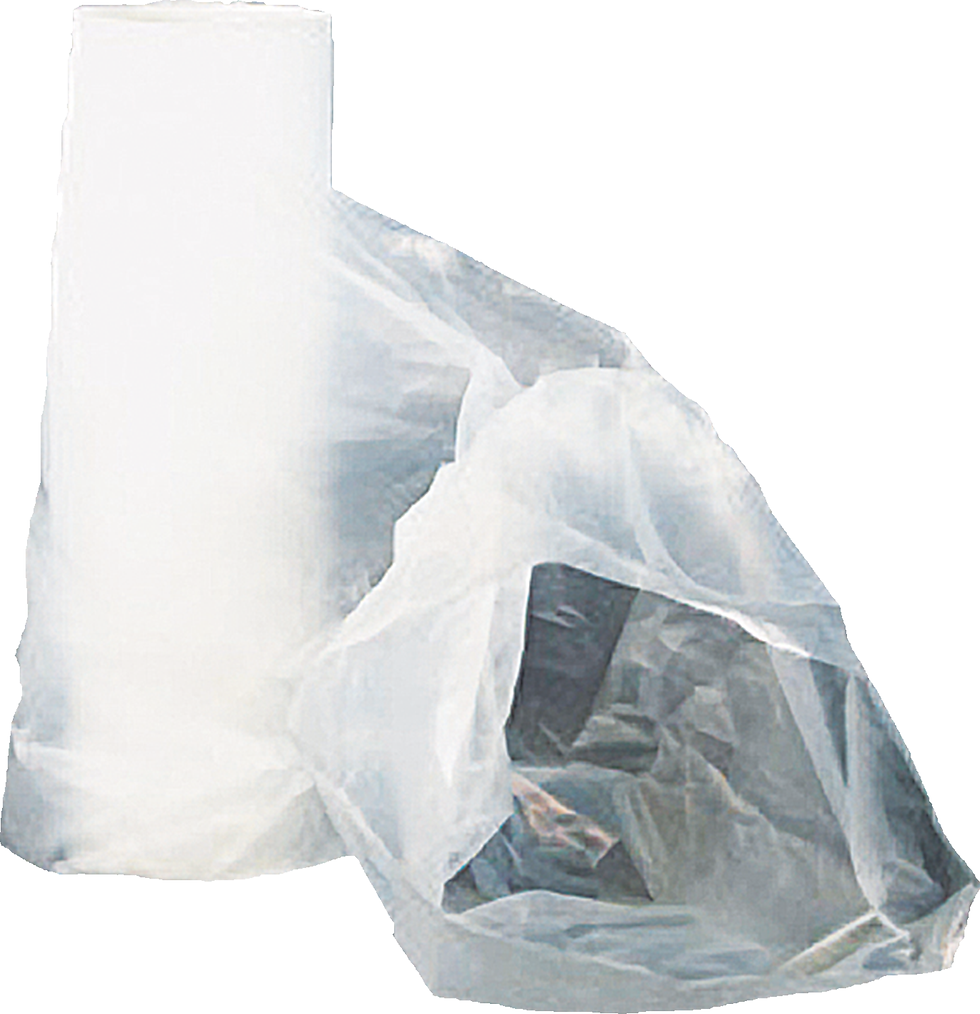
Professionals begin with a site evaluation to identify hazards and establish containment barriers. High-grade plastic sheeting and negative air pressure systems prevent cross-contamination.
Damaged materials are safely removed using EPA-compliant equipment and supplies. Specialized agents and industrial vacuum systems neutralize harmful residues and particulates.
Final inspections and testing occur to confirm full compliance with safety standards and regulations. Once cleared, the site is certified safe for re-occupancy or reconstruction.
Required Products & Equipment

WATER RESTORATION
Industrial Air Driers
Durable, high-velocity fans designed for rapid structural drying and air circulation. Perfect for post-flood mitigation and humidity control.



Odor counteracting
Odor Control
Professional odor control products neutralize smoke and protein fire odors at the source instead of masking them. Gels, foggers, counteractants and encapsulants are used with air scrubbers and proper ventilation to restore indoor air quality and make spaces safe and habitable again.

vacuums and carpet cleaning
HEPA Vacuums
HEPA vacuums capture fine soot, ash, and fire debris from floors, walls, and contents without redistributing particles back into the air. They are used during smoke restoration to control dust, protect indoor air quality, and prepare surfaces for cleaning, sealing, or repainting.

Neutralizing Odors
Foggers and Ozone Generators
Foggers are used after fire restoration cleaning to carry odor counteractants into cracks, cavities, and porous materials where smoke traveled. Ozone generators are used in unoccupied spaces to oxidize stubborn smoke and protein fire odors. Together they help neutralize odors that surface cleaning alone can’t reach, improving indoor air quality and occupant comfort when used according to safety guidelines.

safety first
PPE
PPE for smoke and fire restoration includes NIOSH-approved respirators, chemical-resistant gloves, disposable or washable coveralls, eye protection, and slip-resistant boots. This gear helps protect workers from soot, ash, corrosive residues, and lingering odors while they clean, demo, and move equipment on site.
Hiring Professional Smoke & Fire Restoration Contractors
ABCO Supply provides the expert-grade restoration gear and chemicals used by these professionals, but we do not perform restoration services ourselves. These example listings are for informational purposes; we recommend customers vet any contractor personally before hiring. Please ensure you read reviews and request copies of insurance and licebse before hiring any contractors.
Advanced Microbial Professionals (816) 935-3932 | Lees Summit, MO 64086
Arres Solutions 816-769-5328 | Independence MO/St Louis MO
Clean teams of KC (816) 738-9775 | Lees Summit, MO 64081
EcoSafe Environmental Services 816-598-4111 | Kansas City MO 64108
First Onsite 800-622-6433 | Independence, MO 64057
Freshco Cleaning and Restoration 620 (417)-6521 | Hutchinson, KS 67505
Frontier Restoration (913) 800-4980 | Olathe, KS 66062
Kade Cleaning Systems 816-888-9653 | Grain Valley, MO
Moldman - Kansas City 918-961-8360 | Belton MO
MSP Environmental, LLC 816-547-5284 | Kansas City MO 64114
Richards Remediation (573)-819-1351 | Colombia MO
Remediation Services Inc. 620-331-1200 | Independence KS
Smart Environmental (913) 355-5303 | Kansas City, KS 66106
Thunder Abatement 913 231 8319 | Olathe KS 66062
Titan Environmental 913-432-5500 | Kansas City, KS 66106