
Lead Abatement and RRP Supplies







If your home or business was built before 1978, it may contain lead-based paint. Lead paint requires specific removal and containment strategies for safety.
Understanding Lead Paint Hazards
Lead-based paint was commonly used in buildings built before 1978 due to its durability and moisture resistance. However, as the paint ages and deteriorates, it can create lead dust or chips that can be ingested or inhaled, leading to serious health problems.
Health Risks of Lead Exposure
Lead is a neurotoxin that interferes with brain development, and even low levels of exposure can be harmful. Authorities like the Centers for Disease Control and Prevention (CDC) stress the importance of minimizing all unnecessary contact with lead, especially for vulnerable populations. Lead exposure can cause a range of health issues, particularly in children and pregnant women. These are some of the potential effects:
Behavioral problems
Developmental delays
Kidney damage
Learning disabilities
Reproductive issues
Seizures
Death (in extreme cases)
Identifying Lead Paint
You can’t tell if paint contains lead just by looking at it. Professional testing is the most reliable method for identifying lead-based paint. Testing may involve using X-ray fluorescence (XRF) analyzers to measure the presence of lead or analysis of paint samples. To determine if your home contains lead paint, consider the following:
Age of the home: Buildings built before 1978 are more likely to have lead-based paint.
Visual inspection: Look for signs of paint deterioration, such as chipping or peeling.
Professional testing: Hire a certified lead inspector to conduct a thorough assessment.
Lead Paint Removal Methods
There are three primary methods for addressing lead paint: encapsulation, removal, and replacement. Each method has its advantages and is best suited for different situations.
Encapsulation
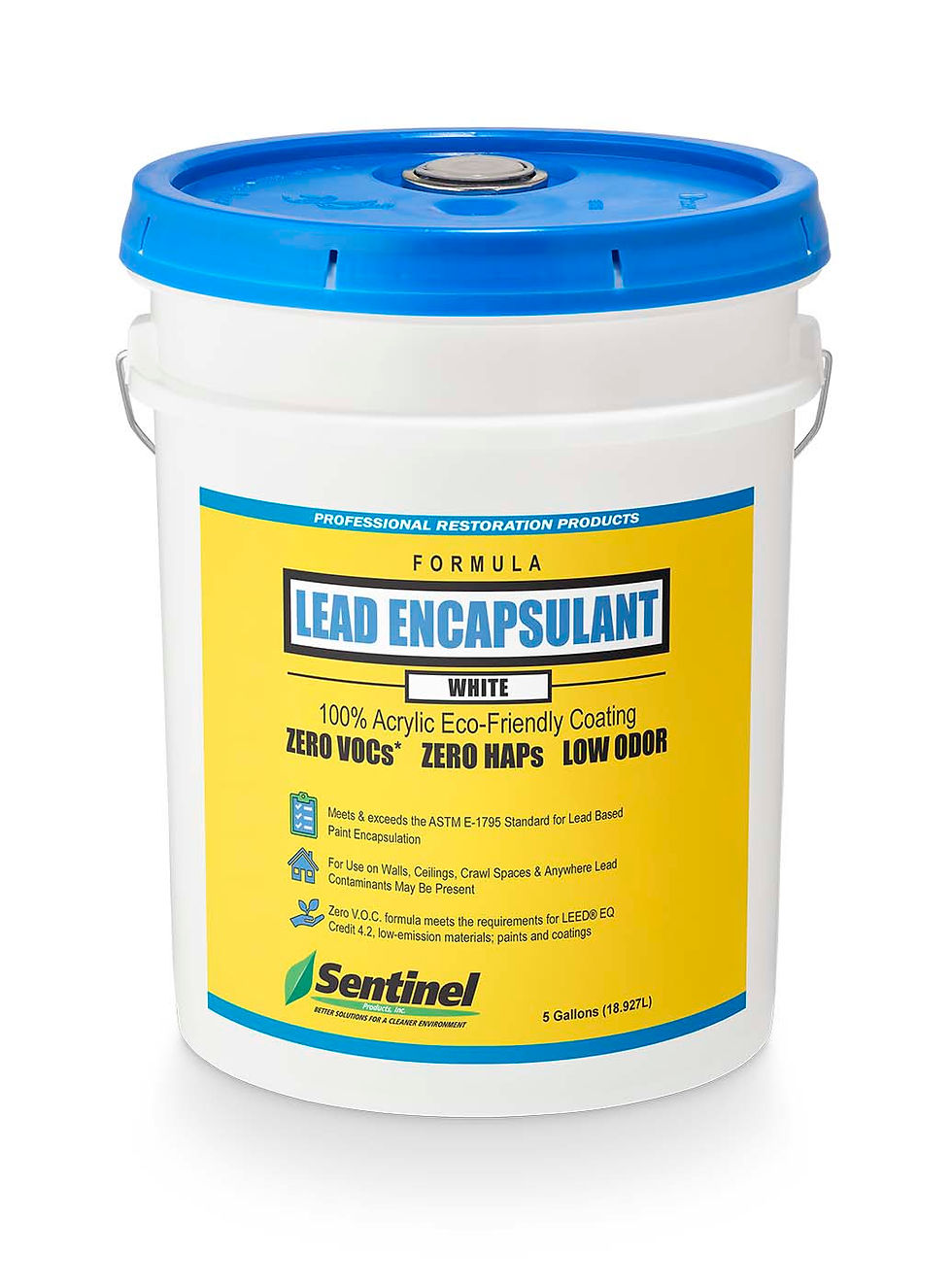
Encapsulation means covering lead-based paint with a special coating designed to seal in the lead. This method is often the least disruptive and can be a cost-effective solution for areas where the existing paint is still in good condition.
Specialized encapsulation products can effectively seal lead paint, preventing it from creating dust or chips. These products may be a good choice for large surface areas where removal would be costly or for surfaces in good condition with minimal wear and tear. Encapsulation products are generally easy to apply and can be overpainted.
This solution is effective when properly applied and maintained and is minimally disruptive. However, you need to regularly inspect encapsulated areas for any signs of wear or damage that could compromise their effectiveness.
Removal
Lead paint removal involves physically stripping the paint from surfaces. This method is more invasive but may be necessary for areas with deteriorating paint or high-friction surfaces. Here are the steps a professional will use to remove lead paint:
Set up containment areas to prevent dust spread.
Use proper personal protective equipment (PPE).
Employ wet scraping or sanding techniques to minimize dust.
Collect and dispose of lead-containing debris properly.
Clean the area thoroughly using HEPA vacuums and wet-cleaning methods.
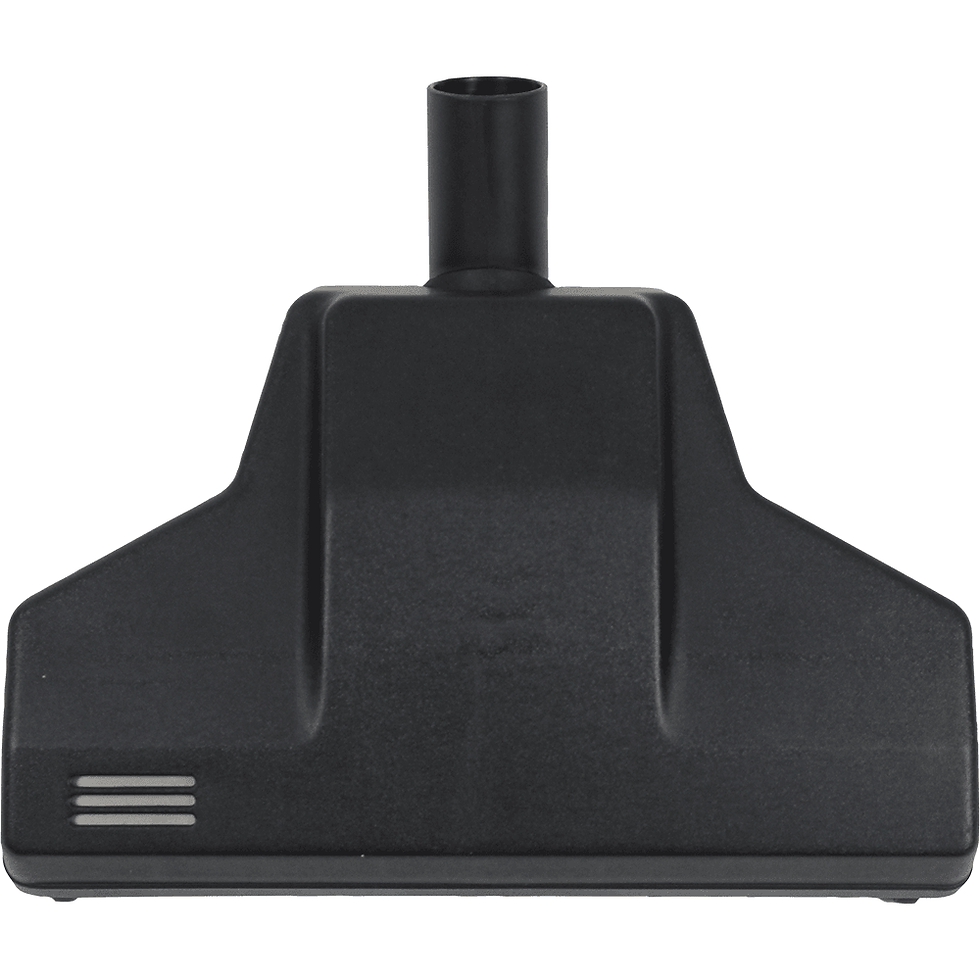
Removal requires meticulous preparation and execution to ensure safety. Specialized tools such as HEPA vacuum cleaners and chemical strippers may be necessary to effectively remove all traces of lead-based paint.
Replacement
In some cases, replacing lead-painted components entirely may be the best option. This is especially the case for doors, windows, or trim that are in poor condition or have intricate details that make stripping difficult. For example, it may be more cost-effective to replace rather than strip architectural features with lots of nooks and crannies.
Proper Disposal
Lead-containing debris must be disposed of properly to prevent environmental contamination. Proper disposal is not just a safety measure but also a legal requirement. Many local regulations have strict guidelines for how lead-contaminated materials should be handled and where they can be disposed of.
This may involve:
Double-bagging waste in heavy-duty plastic bags
Sealing bags tightly and labeling them as lead-containing waste
Disposing of waste at facilities authorized to accept lead-contaminated materials
Hiring a professional for lead paint abatement offers several advantages:
Compliance with local, state, and federal regulations
Peace of mind knowing the job is done safely and effectively
Proper containment and cleanup procedures
Thorough testing to ensure complete removal or containment
Use of specialized equipment like HEPA vacuums